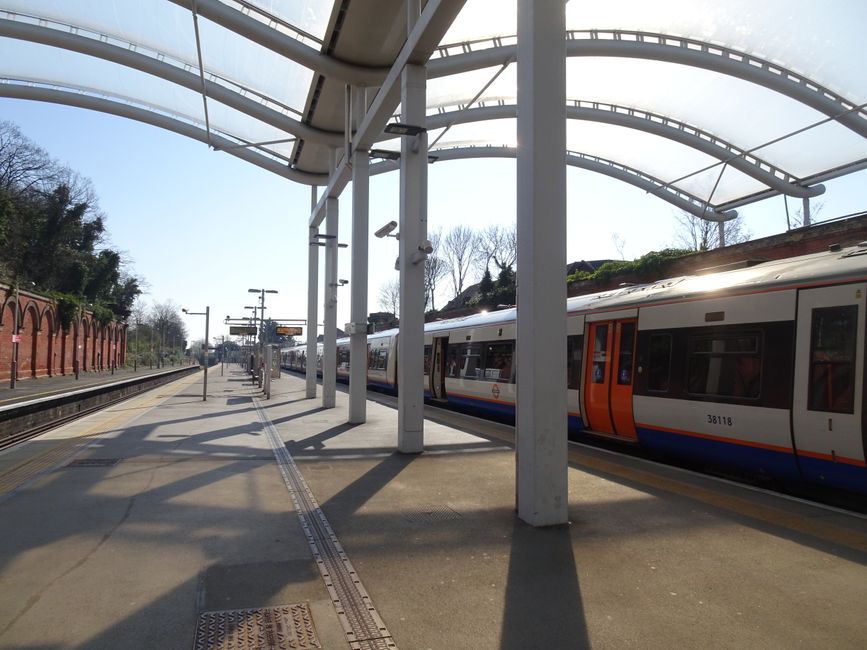
Man and van removals at West Hampstead Thameslink station moves
If you are planning Man and van removals at West Hampstead Thameslink station moves, you are probably juggling a few things at once: stairs, timing, parking, fragile items, and the not-so-small matter of getting everything done without turning the day into chaos. Around a busy London station, the move itself is only part of the job. The rest is planning around traffic, access, and the reality of a neighbourhood that rarely sits still for long.
This guide breaks the process down in a practical, human way. You will see how station-area removals usually work, what makes them different, where the real risks hide, and how to choose a service that fits your job rather than forcing your job to fit the service. Truth be told, that is where a lot of moves go wrong.
Why Man and van removals at West Hampstead Thameslink station moves Matters
West Hampstead Thameslink is one of those places where a small delay can snowball quickly. A narrow road, a blocked kerb, or a lift that is busy at the wrong moment can add more stress than people expect. That is why a station-based man and van move needs more than just a vehicle and two strong hands. It needs timing, awareness, and a plan that suits the area.
For many people, this move is about convenience. You may be moving out of a flat nearby, collecting furniture from storage, or shifting boxes between addresses before or after a commute. The point is not to overcomplicate it. A well-run man and van service keeps the move lean and manageable, especially when you do not need a full-size lorry. If your load is moderate, a smartly organised service can be the difference between a calm morning and a day you would rather forget.
There is also a practical money angle. Paying for more vehicle space than you need is rarely sensible. Equally, underestimating the job can leave you doing a second trip or hiring help at the last minute. So the planning bit matters. A lot.
If you are comparing service styles, it can help to look at man and van support alongside other options such as general removal services or a more specific removal van. The best fit usually comes down to volume, access, and how much lifting is involved.
Expert summary: For station-area moves, the smartest approach is usually the simplest one: match the vehicle size to the load, confirm access in advance, and leave enough time for parking, loading, and the unexpected little delays that London always seems to produce.
How Man and van removals at West Hampstead Thameslink station moves Works
The process is fairly straightforward once the details are clear. In most cases, you book a time slot, describe what needs moving, and confirm any access challenges such as stairs, restricted parking, or heavy items. On the day, the mover arrives with a suitable vehicle, loads the items carefully, transports them, and unloads at the destination. Simple enough in theory. In practice, the difference is in the preparation.
For jobs near a station, the mover will often think about route timing as well as the actual carrying. If the job is around the school run, commuter peak, or a busy weekend morning, the road situation can change quickly. That is why a realistic schedule matters more than a paper-thin estimate.
Many local customers also want help with boxing up, wrapping furniture, or placing awkward items into storage. In that case, services like packing and boxes and storage can make the move much smoother. A half-packed move is fine if the contents are organised; a jumble of loose items, not so much.
Here is the rough flow most people experience:
- Share your move details, including addresses and item list.
- Confirm the estimated vehicle size and lifting requirements.
- Agree the timing, including access windows and parking considerations.
- Prepare the items so loading can happen efficiently.
- Load, transport, and unload with care.
- Check the destination before signing off the job.
If your move includes a quick turnaround, you might also consider same day removals. That can be useful when lease dates, deliveries, or last-minute changes catch you out. Because, let's face it, that happens more often than anyone admits.
Key Benefits and Practical Advantages
The main appeal of this type of removal is flexibility. You are not paying for a huge team or oversized truck when the job only calls for a focused, efficient service. That is especially handy if you are moving from a flat, a studio, a shared house, or a small office near the station.
Another major advantage is speed. Smaller moves can often be loaded and finished more quickly than full household removals, provided everything is ready. Less time on site usually means less disruption for neighbours, building managers, and you. Which, on a busy London street, is never a bad thing.
There is also a practical benefit in manoeuvrability. A smaller vehicle can be easier to position near tight residential roads, loading bays, and side streets. That does not remove every challenge, of course, but it can reduce the friction.
For people who want a bit more structure, pairing the move with packing and unpacking services can save real time and reduce mistakes. You do not have to do everything yourself, and in fairness, sometimes that is exactly the point of hiring help in the first place.
- Flexible sizing: suitable for light, medium, or mixed loads.
- Cost control: pay for the capacity and labour you actually need.
- Quicker turnarounds: ideal when you want to move without a drawn-out process.
- Better local handling: useful in streets with parking pressure and awkward access.
- Less stress: one organised plan beats three rushed ones.
And yes, the humble man and van can be surprisingly good at smoothing over the awkward parts of moving day. Not glamorous, maybe. But effective.
Who This Is For and When It Makes Sense
This service suits a wide mix of people, but it is especially helpful when the move is too small for a full removal crew and too important to do with a borrowed car and crossed fingers. If that sounds familiar, you are in the right place.
Common examples include:
- Tenants moving into or out of a flat near the station
- Students shifting between term-time accommodation and storage
- People buying or selling a few furniture items
- Small business owners relocating stock, equipment, or archive boxes
- Households moving a roomful of belongings rather than an entire property
It also makes sense if your items are light in volume but awkward in shape. A lamp, mirror, flat-pack furniture, or a couple of office chairs can be more awkward than a mountain of boxes. The shape matters, not just the count.
For students in particular, student removals can be a practical middle ground. Likewise, if you are handling household moves rather than a small point-to-point transfer, home moves or house removals may suit you better.
One small but useful rule: if you are spending a lot of energy on the move before you even start lifting, the service probably needs adjusting. A good mover should reduce effort, not add to it.
Step-by-Step Guidance
Here is a practical way to organise a station-area move without losing the plot halfway through.
- List every item you want moved. Be specific. "Box of books," "desk," "bike," "TV in original box," all of it.
- Check access at both ends. Stairs, lifts, door widths, parking restrictions, and any resident permits all matter.
- Separate fragile and high-value items. Keep important items with you where possible.
- Choose the right vehicle type. A small job may only need a man with van style service, while larger loads may benefit from a moving truck or a dedicated removal truck hire option.
- Pack in a loading-friendly way. Heavy items at the bottom, fragile items protected, and boxes labelled clearly.
- Build in extra time. Station areas are rarely quiet. A ten-minute buffer can save the mood.
- Walk through the destination first. Know where things are going before the van arrives.
If the move involves business stock, files, or equipment, you may want to explore commercial moves or office removals. Those jobs need a slightly different rhythm and, usually, more planning around downtime.
For many people, the difference between a smooth move and a stressful one is simply this: prepare more than you think you need to. A bit tedious? Yes. Worth it? Absolutely.
Expert Tips for Better Results
Small decisions often make the biggest difference. The actual carrying is only part of the story.
- Label sides, not just tops. When a box is stacked, the top label disappears. Side labels save time.
- Keep a clear "open first" bag. Chargers, documents, kettle bits, medication, keys, snacks. The boring essentials.
- Protect floors and furniture. In older buildings near the station, hallways can be narrow and a little unforgiving.
- Photograph bulky items before moving. Helpful for condition checks and peace of mind.
- Tell the mover about difficult access early. A surprise staircase is nobody's favourite moment.
In our experience, people often underestimate how much time is lost by short little interruptions: the missing key, the lift queue, the "just one more thing" box in the cupboard. They all add up. It is not dramatic, just real life.
If you are unsure about whether a larger service would be smarter, compare the job against removals or a focused man with a van approach. Not every move needs a big production.
One more thing: if the move includes delicate items like upright instruments or specialist furniture, services such as piano removals and furniture removals are worth considering. Some items need a different level of care, and no, wrapping them in a duvet is not a full plan.
Common Mistakes to Avoid
The same mistakes show up again and again. Luckily, they are avoidable.
- Underestimating volume: "It's only a few things" is often the start of a very long afternoon.
- Ignoring access: A van is useless if it cannot get close enough to load safely.
- Poor packing: Loose items slow everything down and increase the chance of damage.
- Booking too late: Good time slots near busy areas go quickly.
- Forgetting building rules: Some properties have loading windows, lift booking requirements, or move restrictions.
- Not checking insurance and safety: This is one of the easiest things to overlook and one of the most important to ask about.
That last point matters more than people think. Before you book, it is sensible to review the provider's insurance and safety information and their approach to safe handling. Reputable operators should be able to explain how they protect both your belongings and the people doing the work.
Another subtle mistake is not asking enough questions. If anything about the job feels unclear, ask. What is included? How many crew members? What happens if traffic delays the start? Simple questions, but they save trouble later.
Tools, Resources and Recommendations
You do not need a truckload of gear to organise a good move, but a few practical tools help a lot.
- Strong boxes: consistent box sizes stack more neatly and waste less space.
- Packing tape and markers: basic, boring, essential.
- Furniture blankets or wraps: useful for corners, glass, and painted surfaces.
- Bubble wrap or paper: for crockery, ornaments, lamps, and fragile tech.
- Step-free route plan: wherever possible, choose the easiest route between the van and the door.
- Inventory list: especially useful for shared moves or storage drop-offs.
If you need to move only a few pieces, a simple furniture pick up service can be enough. For bigger or more mixed loads, a broader removal services approach may be better.
For security and payment peace of mind, it is also worth checking how bookings and transactions are handled on the provider's site, including payment and security. That sort of detail sounds dull until you need it, then suddenly it is very interesting.
Law, Compliance, Standards, or Best Practice
For local removals in the UK, the most useful thing is not memorising legal jargon. It is understanding the practical standards a responsible mover should follow.
At a minimum, you want careful manual handling, sensible loading, proper insurance for the work being carried out, and honest communication about what can and cannot be done safely. If a mover has to lift heavy or awkward items, they should do so in a controlled way, not by rushing and hoping for the best. That is how small injuries and avoidable damage happen.
If the move involves a residential block, there may also be building rules, access restrictions, or booking requirements for lifts and loading areas. These are not always legal rules in the formal sense, but they are real operational constraints. Ignore them at your peril. Or at least expect a headache.
For environmental responsibility, some customers also care about reuse and disposal. If you are getting rid of unwanted items, it is sensible to ask whether the service supports recycling or responsible disposal. You can review the provider's approach to recycling and sustainability. That is especially relevant if you are clearing out furniture, office items, or mixed household goods.
It is also worth checking the terms of service before you book. The finer details around cancellations, access, waiting time, and liability are usually set out there, and yes, it is the unglamorous reading that prevents unpleasant surprises later. Their terms and conditions should tell you what to expect.
Options, Methods, or Comparison Table
Different move types suit different jobs. The table below gives a practical comparison rather than a one-size-fits-all answer.
| Option | Best for | Strengths | Watch-outs |
|---|---|---|---|
| Man and van | Small to medium moves, flats, furniture, local trips | Flexible, efficient, usually cost-conscious | May not suit very large or complex jobs |
| Removal van | Household items needing more structured transport | Better for organised loads and repeated trips | Capacity can still be limited for bigger homes |
| Moving truck | Larger or bulkier moves | More space, better for bigger inventories | Harder to position in tight streets |
| Full removals | Whole-house or larger office moves | More support, more planning, more capacity | Often more than needed for smaller jobs |
If you are still unsure, think in terms of volume and complexity. A small, straightforward local move usually fits a man with van setup. A broader, multi-room move may need something closer to removal companies or a full service with packing support.
The right choice should make the day feel easier, not busier. That sounds obvious, but it is worth saying out loud.
Case Study or Real-World Example
Picture a fairly typical local move. A tenant in a first-floor flat near the station needs to leave by lunchtime, with a sofa, a bed frame, six boxes, a desk, and a few bags of personal items. The street is busy, the stairwell is tight, and the lift is not something to rely on. Nothing outrageous. Just the kind of move that looks simple until it is underway.
The sensible plan is to strip the bed the night before, group all loose bits into boxes, remove fragile items separately, and keep an access route clear from the front door to the van. The mover arrives, checks the load, and starts with the heavy items first. The sofa goes out with proper protection. The desk comes next, followed by the boxes that are labelled by room. It is not fancy, but it works.
If the tenant had left everything until the morning, the move would almost certainly have taken longer. There would have been more trips, more confusion, and a higher risk of scratches on the staircase wall. Not catastrophic. Just annoying in that slow-burning way that stays with you all day.
In a variation of the same job, the customer might book flat removals if the whole property is being cleared, or combine the move with packing and unpacking services if time is tight. Small adjustments like that can change the whole experience.
Practical Checklist
Use this checklist the day before and again on the morning of the move.
- All items listed and grouped by room or priority
- Fragile items wrapped and clearly marked
- Boxes sealed properly and not overfilled
- Keys, access codes, and building instructions ready
- Parking or loading arrangements checked
- Lift bookings confirmed if needed
- Large furniture measured against doorways and stair turns
- Pets, children, and hazards kept out of the way
- Phone charged and contact details to hand
- Essential bag kept separate from the main load
If you are moving on a student budget or handling just a few items, you may want to slim the plan right down and book only what you truly need. If you are moving more than expected, stop and reassess rather than forcing the smallest possible service to carry a bigger load. That is when things start to wobble.
Get a free quote today and see how much you can save.
Conclusion
Man and van removals at West Hampstead Thameslink station moves work best when they are treated as a logistics job, not just a lift-and-go task. Once you factor in access, timing, vehicle size, and the actual shape of your belongings, the whole move becomes easier to control. That is the real value here: less guesswork, fewer surprises, and a move that feels manageable.
Whether you are shifting a few boxes, clearing a flat, relocating office items, or moving a couple of pieces into storage, the key is to plan around the station area rather than pretending it behaves like a quiet suburban cul-de-sac. It doesn't. And that's fine.
Choose the right support, prepare well, and the day usually unfolds much more smoothly than people expect. A good move is rarely dramatic. It is just calm, careful, and done properly.
Frequently Asked Questions
What does man and van removals at West Hampstead Thameslink station moves usually include?
It usually includes loading, transport, and unloading of household or business items using a suitable van and one or more movers. Some jobs may also include basic handling help or furniture protection, depending on what you agree in advance.
Is this service suitable for a flat move near the station?
Yes, it is often a very good fit for flat moves, especially where the load is moderate and access is tighter than average. If you are moving from a smaller property, flat removals may be the closest match.
How do I know whether I need a man and van or a larger removal service?
Think about volume, access, and how many bulky items you have. If you only have a few rooms' worth of belongings, a man and van may be enough. If you are moving an entire household or office, a broader service such as removals may be more suitable.
Can I book same day help for a short-notice move?
Sometimes, yes. Availability depends on timing and workload, but same day removals can be useful when plans change quickly or a deadline has crept up on you.
What should I do before the mover arrives?
Pack securely, label boxes, clear walkways, and make sure access details are ready. It also helps to separate items you want to keep with you, such as documents, chargers, and valuables.
Do I need to be concerned about parking or loading restrictions?
Yes. Around a station, parking and loading can be the difference between a smooth start and a frustrating delay. It is best to check access carefully and tell the mover about any restrictions before the job begins.
Can a man and van service help with furniture only?
Absolutely. Furniture-only moves are one of the most common uses for this kind of service. If you only need a few items shifted, furniture removals or even a furniture pick up may be the most efficient option.
Is packing help available?
Yes, many customers choose extra packing support for fragile or time-sensitive moves. Services like packing and boxes or packing and unpacking services can save time and reduce damage.
What if my items need to go into storage first?
That is quite common, especially during gap periods between move-out and move-in dates. A move combined with storage can bridge that awkward in-between stage neatly.
Are these moves suitable for students?
Yes, very much so. Student moves often involve a limited number of boxes, bags, and a few larger items, which makes them a natural fit for student removals.
What about business or office relocations?
If you are moving equipment, files, or stock for a business, you may need a more structured approach. Commercial moves and office relocations are usually better for those situations.
Why is insurance and safety worth checking before I book?
Because it tells you how the provider manages risk and protects your belongings during the move. Reviewing insurance and safety information is a sensible step, not an overcautious one.
How can I make the move cheaper without cutting corners?
Pack early, reduce clutter, measure larger items, and choose the right vehicle size first time. A clean, well-prepared load usually saves more money than a rushed bargain booking that turns into extra time or extra trips.