West Hampstead removals guide for West End Lane moves
Posted on 29/05/2026
Moving on or around West End Lane can feel deceptively simple. It looks like a short local move, yet the details quickly stack up: narrow time windows, parking pressure, stairs in older buildings, lift bookings, neighbours who'd rather not hear a sofa scraping at 7am, and the usual mystery of how one home can contain so much stuff. This West Hampstead removals guide for West End Lane moves is here to make the process calmer, clearer, and far more manageable.
Whether you are shifting from a compact flat near the station, upgrading to a family home a few streets away, or planning a same-building move with awkward access, the basics are the same: prepare properly, choose the right service, and avoid the little mistakes that turn a local removal into a long day. Below, you'll find a practical walkthrough with planning advice, local moving considerations, service comparisons, and a checklist you can actually use.
If you want to understand the wider service range first, you can also look at the provider's removals services overview or explore house removals in West Hampstead for a more home-specific view.
Why West Hampstead removals guide for West End Lane moves Matters
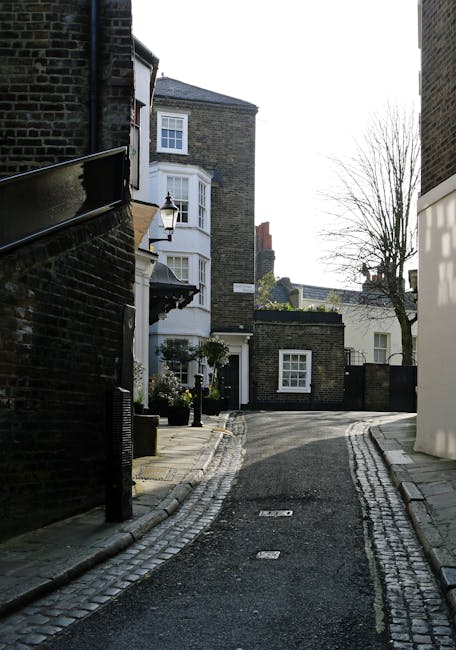
West End Lane sits in a part of London where moving day can be straightforward in theory and awkward in practice. The route may be short, but local conditions matter more than distance. You may have controlled parking zones, tight kerb space, busier traffic at peak times, older mansion blocks, and shared entrances that need a bit of coordination. That's why a local removal plan is not just helpful; it is the difference between a smooth handover and a day full of avoidable delays.
For many people, the challenge is not lifting boxes. It's the small moving-day logistics that chew up energy: where to park, how to protect shared hallways, how to time the van arrival, and whether the wardrobe will actually fit through the front door without becoming a minor engineering problem. Truth be told, these are the things that catch people out.
A guide like this matters because it helps you think like a mover before the move starts. It turns the process into a sequence of decisions instead of one huge stressful event. If you're comparing local support options, it's also worth looking at removal services in West Hampstead and the more flexible man with van in West Hampstead model, depending on how much you need carried and how quickly you need it done.
How West Hampstead removals guide for West End Lane moves Works
The most effective local moves follow a simple structure: assess, book, pack, move, unload, and settle. The details change depending on whether you're moving from a studio, a split-level flat, or a larger family property, but the basic flow is consistent.
First, assess what you actually have. Not what you think you have. The spare chair, the old printer, the mirror in the hallway, the pile of books you swear you'll sort later - all of it adds time and space. Once you have a realistic idea of the load, you can choose the right vehicle and crew size. For smaller moves, a man and a van service can be ideal. For larger homes or more complex jobs, a dedicated removal van or full household team may suit better.
Second, plan the access. West End Lane properties often involve a mix of front-door loading, communal hallways, basement steps, or limited on-street stopping. A good mover will ask about stairs, lift access, parking restrictions, and bulky items in advance. That's not fussiness. That's what prevents an ugly surprise on the day.
Third, pack in a way that supports the route, not just the room. Heavy items should go into smaller boxes. Fragile items should be clearly marked and not buried under linens. And if you have awkward items like a piano or oversized wardrobe, book the appropriate specialist help rather than hoping brute force will solve it. If that sounds familiar, the dedicated piano removals and furniture removals pages are useful references.
A simple local move usually looks like this
- You share your moving details and access notes.
- You receive a quote or service recommendation.
- You confirm the date, vehicle, and loading plan.
- Your belongings are packed and labelled.
- The team arrives, loads efficiently, and secures items for transport.
- Everything is unloaded into the right rooms, with the bulky pieces placed first.
The trick is not complexity. It's sequence. Get the sequence right and the move feels far less chaotic.
Key Benefits and Practical Advantages
A good West Hampstead removals plan gives you more than transport. It reduces friction, saves time, and protects your belongings and your sanity. That may sound a bit dramatic, but moving day has a funny way of making even sensible people forget where they put the kettle.
- Less time wasted on the day. When the access details are sorted early, the crew can start immediately instead of waiting around.
- Lower risk of damage. Correct packing, the right van size, and proper lifting technique all help keep items safe.
- Better use of space. A local crew can load more efficiently when they understand West End Lane streets, building types, and common access constraints.
- Less disruption to neighbours. A tidy loading approach and sensible timing reduce hallway traffic and noise.
- Easier budgeting. If the job is scoped properly, you're less likely to pay for unnecessary time or extra journeys.
There is also a very practical emotional benefit: once the move is under control, you can focus on the next place instead of staring at packed boxes and feeling oddly defeated by crockery. A local move should feel like progress, not punishment.
For people still weighing service types, the broader removal companies in West Hampstead page can help frame what level of support is realistic for your situation.
Who This Is For and When It Makes Sense
This guide is useful for a few very different readers. If you recognise yourself in any of the scenarios below, you're in the right place.
- Flat movers who need quick, efficient support for a one-bedroom or two-bedroom move.
- Families relocating within West Hampstead or nearby areas and wanting a more structured removals plan.
- Students and young professionals moving between rented rooms, shared flats, or short-let accommodation.
- Homeowners dealing with larger furniture, breakables, or multiple bedrooms.
- Time-sensitive movers who need help on short notice or on a tight schedule.
- People in busy buildings where lifts, stairs, and neighbours make logistics a bit more complicated.
It also makes sense if you're planning around a tenancy changeover. In London, handover timing can be tight, and if one move runs late, the rest of the day can start slipping. If your situation is especially compressed, a same-day removals service may be worth considering, although it works best when your load is modest and access is clear.
Students often benefit from a lighter approach, especially when moving just a few streets or between term-time lets. In that case, student removals in West Hampstead can be a more economical fit. Different move, different rhythm.
Step-by-Step Guidance
Here's the practical version. No fluff, no grand theory. Just a working plan you can follow.
1. Start with a room-by-room inventory
Walk through your home and note the larger items first. Beds, mattresses, wardrobes, desks, bookcases, sofas, appliances, and anything fragile or unusually shaped. Then count the boxes you expect to have, even if the count is rough. A rough estimate is far better than guessing wildly.
2. Check access before you commit to a vehicle
Measure lift dimensions, hallway turns, stair widths, and any awkward corners. If your sofa can barely make the turn into the landing, that is not a detail to skip. It is the detail.
3. Book the right type of service
Choose between a man and van, a larger removal vehicle, or a full home removal team depending on the load and support you need. For example, a small flat move with a few boxes and a bed frame might suit a man with a van. A bigger family move usually calls for a more complete house removals service.
4. Pack with the unloading order in mind
Put items you'll need first near the top or mark them clearly. A box labelled "kettle, mugs, tea, chargers" may feel slightly silly, but on arrival it suddenly becomes the most important box in the room.
5. Confirm timing and arrival instructions
Make sure the mover knows the best arrival window, any parking details, gate codes, and who to call on arrival. If you're in a busy street section of West End Lane, a five-minute delay can become fifteen very quickly. It happens.
6. Protect fragile and high-value items
Use proper wrapping for glass, mirrors, artwork, and electronics. Keep documents, passports, keys, and valuables with you rather than in the van. This is one of those obvious rules that becomes un-obvious when everyone is tired.
7. Unload with placement instructions
Tell the team where large items should go before they start carrying everything in. "Bedroom one" and "living room" are fine, but more specific instructions save time. If the bed needs to go against a certain wall, say so early.
Expert Tips for Better Results
After many local moves, a few habits consistently make things easier. None are fancy. That's the point.
- Keep one essentials bag separate. Include phone charger, documents, medication, water, snacks, tape, and a basic tool kit.
- Do the bulky dismantling early. Beds and flat-pack furniture are easier to move if they are taken apart the night before.
- Label by destination, not just by contents. "Kitchen - daily items" is more helpful than "miscellaneous box 3."
- Avoid peak-hour stress where possible. Early starts are often better for local routes, especially near busier junctions.
- Take a quick photo of complex setups. Cable arrangements, shelving layouts, or appliance connections are easier to restore if you have a reference.
- Ask about packing support if you're short on time. A decent packing and boxes service can save a proper headache when the calendar is already full.
One small thing people often overlook: leave a little breathing room around the front door on moving morning. It sounds basic, but a cluttered doorway slows everyone down and makes the whole place feel tenser. A clear path is a calmer start.
Common Mistakes to Avoid
Most moving problems are predictable. That's the good news. You can usually avoid them if you know where they hide.
- Underestimating the load. A "light move" can turn into a van full of awkward items very quickly.
- Leaving packing too late. Late packing leads to weaker boxes, poor labels, and more breakages.
- Ignoring access details. Stairs, gates, parking, and lifts are not minor notes.
- Booking the wrong vehicle size. Too small means extra trips. Too large can be awkward in tight streets.
- Forgetting building rules. Some buildings prefer reserved lift times or specific move windows.
- Not planning for special items. A piano, oversized mirror, or antique cabinet may need different handling.
There's also the "I'll just wing it" approach. Charming in theory, expensive in reality.
If you're storing things between addresses, have a plan for that too. Local storage options in West Hampstead can be useful for gap periods, redecorating, or when completion dates don't line up neatly. And honestly, they often don't.
Tools, Resources and Recommendations
You do not need a van full of gadgets to move well, but a few simple tools make a big difference.
- Sturdy boxes in a mix of sizes, especially smaller ones for books and heavy kitchen items.
- Packing tape and a marker pen for clear labelling.
- Bubble wrap or paper wrap for glassware, lamps, and framed items.
- Furniture blankets or covers for sofas, tables, and wardrobes.
- A basic screwdriver set for dismantling beds and furniture.
- Reusable bags or crates for loose items, shoes, and cleaning products.
For customers who want a smoother all-in-one move, the most practical starting point is usually a service discussion rather than a guess. You can use the provider's pricing and quotes page to understand how estimates are typically approached, and then decide whether you need a lighter load service or a fuller removal solution.
If payment security and trust matter to you, it is also sensible to review payment and security information before confirming anything. Small thing, but reassuring.
Law, Compliance, Standards, or Best Practice
For a local move, the most relevant rules are usually practical rather than dramatic. You are mainly dealing with property access, safe handling, parking arrangements, insurance expectations, and good neighbourly conduct. Still, best practice matters.
In the UK, removal work should be carried out with attention to safe lifting, clear communication, and appropriate handling of goods in transit. A reputable mover should be able to explain how they manage risk, what insurance covers, and what your responsibilities are as the customer. That may include things like accurate item descriptions, access notes, and packing fragile items properly.
It is also sensible to understand the company's terms before you book. The terms and conditions page can help you see how booking changes, waiting time, and service limits are handled. Likewise, a clear insurance and safety policy is a good sign that the business takes risk seriously instead of shrugging at it.
For the customer side, your best practice is simple:
- provide accurate inventory and access information;
- pack fragile items carefully;
- reserve lift or loading access where needed;
- keep valuables with you;
- raise concerns early, not on moving morning.
If something does not feel clear, ask. A good company should welcome that. For any service question, the easiest next step is to use the contact page and get things confirmed in writing where possible.
Options, Methods, or Comparison Table
Not every move needs the same kind of support. Here's a simple comparison to help you choose the right setup for a West End Lane move.
| Option | Best for | Advantages | Watch-outs |
|---|---|---|---|
| Man and van | Small flats, light loads, short local moves | Flexible, often cost-effective, quick to arrange | Limited space; may not suit bulky or large-volume moves |
| Full house removals | Families, larger homes, more furniture | More support, better for heavier loads, more structured | Can be more than you need for a very small move |
| Specialist item removal | Pianos, antiques, awkward furniture, fragile items | Better handling for high-risk possessions | Usually needs advance notice and more careful planning |
| Same-day removal | Urgent relocations, short-notice changes | Fast response, useful in a pinch | Less availability; better if your move is well prepared |
If you are not sure which one fits, start with the load size, access difficulty, and timing. That usually tells the story more clearly than anything else.
Case Study or Real-World Example
Picture a fairly typical West End Lane move: a two-bedroom flat on an upper floor, no lift, a narrow staircase, and a tight move-out deadline. The family has a sofa, two beds, a dining table, several boxes of books, kitchenware, a pushchair, and a couple of awkward framed prints. Nothing outrageous. But enough to cause problems if everyone just turns up and hopes for the best.
In this situation, the move works best when it is broken into three stages. First, the larger furniture is disassembled the evening before. Second, fragile items are packed separately and labelled clearly. Third, the vehicle arrives early enough to avoid the peak of the traffic build-up. The loading team knows in advance that there is no lift, so they bring the right equipment and allocate more time.
The difference is small on paper, but huge on the day. Instead of people standing on the landing trying to figure out whether the wardrobe should go left or right, the team already knows the sequence. A lot of stress simply never appears.
That is the real value of planning local removals well: not glamour, not perfection, just fewer surprises. And fewer surprises is a lovely thing when you are carrying lampshades and trying to find the new kitchen tea towel at the same time.
Practical Checklist
Use this before moving day. It keeps the basics in one place.
- Confirm moving date, arrival time, and access instructions.
- Check parking or loading arrangements near West End Lane.
- Measure large furniture and awkward doorways.
- Book the right removal option for your load size.
- Pack fragile items with plenty of protection.
- Label boxes by room and priority.
- Prepare an essentials bag for the first 24 hours.
- Dismantle furniture where needed and keep fittings in labelled bags.
- Keep valuables, documents, and keys with you.
- Tell the mover about stairs, lifts, or building rules.
- Set aside cleaning materials for the old and new property.
- Review the company's service details, including recycling and sustainability practices if that matters to you.
Expert summary: Local removals go best when the access is clear, the packing is realistic, and the service level matches the size of the move. That sounds obvious, but in practice it saves the most time, money, and stress.
Conclusion
A well-planned move on West End Lane does not need to be complicated. Once you match the right service to the right home, confirm the access details, and pack with a bit of care, the rest becomes much more manageable. That is the real lesson of any strong West Hampstead removals guide for West End Lane moves: local knowledge, simple preparation, and clear communication beat last-minute panic every time.
Whether you're moving a small flat, a full household, or one particularly stubborn wardrobe, the goal is the same - to get from one address to the next without turning the day into a marathon. Keep it organised, keep it realistic, and don't be shy about asking for the right level of help.
Get a free quote today and see how much you can save.
And if you're still in the planning stage, it may help to review the broader West Hampstead removals information one more time, then move forward with a bit more confidence. That next box really does feel lighter once the plan is in place.