Camden Council moving permits what West Hampstead residents need
Posted on 22/06/2026

If you are planning a move in West Hampstead, the last thing you want is a parking headache on top of boxes, keys, and a tight timetable. That is exactly why Camden Council moving permits what West Hampstead residents need is such a practical topic: it is about making sure the van can stop legally, the crew can work safely, and your move does not get derailed by a parking ticket or a blocked street. In real life, the permit question often gets ignored until the day before the move. By then, you are already juggling tape, stairwells, and a very impatient driver. Let's make it simpler.
This guide breaks down what moving permits usually mean in Camden-managed streets, why they matter in West Hampstead, how to plan ahead, and what to check before moving day. It also covers common mistakes, a practical checklist, and the kinds of moving services that can help you keep the whole thing calm. To be fair, moving is rarely glamorous. But it can be organised.
Why Camden Council moving permits what West Hampstead residents need Matters
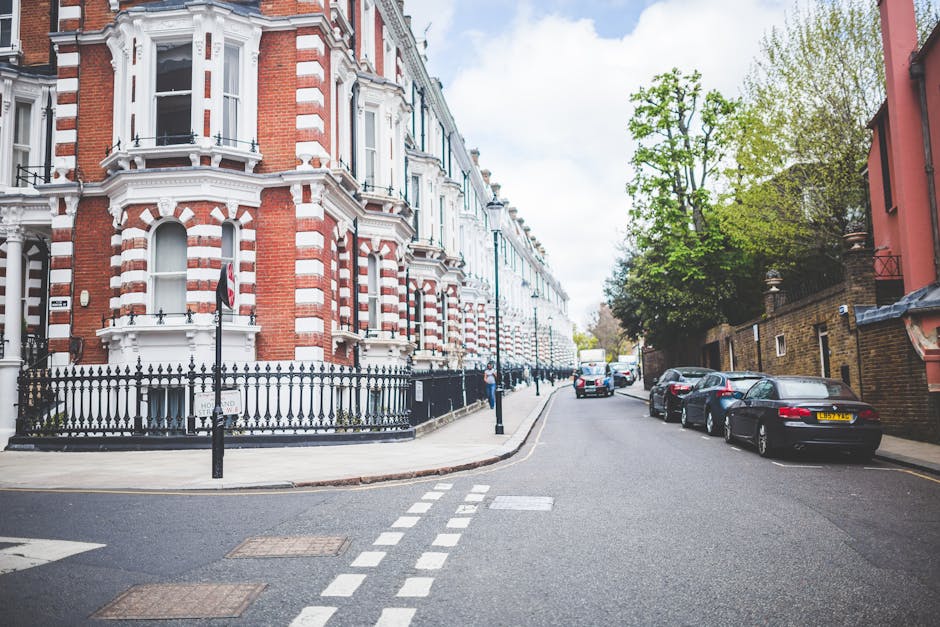
West Hampstead is busy, compact, and full of streets where parking space can disappear before breakfast. If your van needs to load or unload on a controlled street, a moving permit can be the difference between a tidy transfer and a stressful scramble for a legal stopping place. It matters because moving day is time-sensitive. The van has to arrive, furniture has to come out, and neighbours do not usually appreciate a double-parked blockage on a narrow road.
The practical point here is not just "do I need a permit?" It is also "what happens if I don't sort one in time?" In many cases, the risk is delay. Sometimes it is a ticket. Sometimes it is just the wrong kind of hassle at the wrong moment. That is why people planning a local move often think about parking control as part of the move itself, not as an afterthought.
If you are also arranging packing, storage, or specialist handling, a moving permit becomes even more relevant because those jobs tend to take longer on the pavement and at the doorway. If you want the wider move to run smoothly, it helps to think about the logistics in one go. Some residents find it useful to review broader moving support first, such as local removal services in West Hampstead or the company's services overview, so the permit question sits inside the full plan rather than being handled in isolation.
Expert summary: in a busy area like West Hampstead, a moving permit is less about bureaucracy and more about protecting time, access, and calm on moving day. If the van cannot stop safely and legally, everything else becomes harder.
How Camden Council moving permits what West Hampstead residents need Works
At a practical level, a moving permit is permission to use a specific road space for loading, unloading, or holding a vehicle for a limited purpose. In Camden, the exact rules depend on the street, restrictions, timing, and whether the vehicle is likely to affect other road users. That sounds a bit formal, but the everyday idea is simple: if a removal van needs space where parking is controlled, permission may be required in advance.
West Hampstead residents usually need to think about three things:
- whether the street has parking controls or loading limits
- how long the van will need to stop
- whether the move involves a large vehicle, multiple trips, or difficult access
Sometimes, a move in a quieter cul-de-sac may be manageable with ordinary loading space. Other times, a main road or permit-heavy street makes advance planning essential. A good removal plan looks at the property itself too: top-floor flat, narrow stairwell, awkward corners, or a long carry from the van all increase the value of getting parking right.
If you are moving out of a flat, a shared house, or a building with tighter access, the permit issue is even more important. You may want to compare your move against services like flat removals in West Hampstead, house removals in West Hampstead, or even student removals if you are moving a smaller setup. The parking logic stays the same, even if the move itself is smaller.
One more thing that people often miss: the permit may need to cover more than just the truck. If the crew needs time to load heavy items, hold a lift, or move equipment in stages, the stopping period should be realistic. A permit that is too short is not much help. It just creates pressure.
Key Benefits and Practical Advantages
When handled properly, moving permits offer more than just compliance. They make the move cleaner, faster, and less stressful. That is the real win.
- Better access: the van can stop closer to the property, which cuts carrying distance.
- Less stress: fewer parking worries means more attention on the move itself.
- Reduced delays: no wasted time circling the block or waiting for a legal space.
- Safer handling: shorter distances reduce the risk of knocks, trips, and strain.
- More predictable timing: it is easier to plan the move in blocks when parking is sorted.
There is also a financial upside that people overlook. A move that runs late can create knock-on costs: extra labour time, additional vehicle waiting, or a second trip because access was poor. A permit can help reduce those problems. If you are watching the budget closely, that matters. You may also want to read about avoiding hidden removal charges so you can spot the usual traps before they bite.
For people who like to plan everything down to the minute, permits also give structure. You know where the van will stop, for how long, and what the loading plan looks like. It sounds dull. It is not. It is actually what makes a move feel under control.
Who This Is For and When It Makes Sense
Not every move needs the same level of parking planning. Some West Hampstead residents will need a permit conversation early; others can keep things simpler. Here is a straightforward way to think about it.
- Flat movers: especially useful where the property sits on a busy street, near controlled parking, or in a narrow residential road.
- Families in larger homes: often need longer loading time and more curb space.
- Students: usually moving smaller loads, but often from busy blocks with limited stopping options.
- Office movers: may need coordinated access if equipment, desks, and boxes are being shifted in stages.
- Last-minute movers: often have the least room for error, so parking becomes critical.
If you are moving a piano, antiques, or bulky furniture, the need for space is even more obvious. Heavy items change everything. A local move that looks simple on paper can become awkward very quickly once a sofa or upright piano is in play. In those cases, specialist support such as piano removals or furniture removals can make a real difference.
When does it make sense to check permit needs? Ideally, as soon as you have a moving date. Not the evening before. Not after the van is booked. Early planning is just kinder to everyone involved.
Step-by-Step Guidance
Here is the practical route I would recommend if you are moving in or around West Hampstead and need to think about Camden-related parking arrangements.
- Check the street conditions. Look at whether the road has controlled parking, loading restrictions, or time limits. The street outside your door matters more than a postcode label.
- Measure the move realistically. Consider how much needs to be carried, how many helpers are involved, and whether the property has stairs, lifts, or narrow entrances.
- Choose the moving date and time carefully. Midweek, mid-morning moves are often easier than trying to squeeze everything into a peak-hour slot. Not always, but often.
- Ask early about permit requirements. If the van needs to stop in a restricted area, find out what is needed well ahead of time.
- Plan the vehicle size. Bigger is not always better. A smaller van may be easier to position in a tight street, while a larger one may reduce trips. Balance matters.
- Build in a time buffer. Delays happen. A lift gets stuck, a box breaks, someone has mislaid a key. Life happens.
- Confirm the loading plan. Decide what comes out first, what stays at the back, and who is responsible for fragile items.
- Double-check the day before. Reconfirm arrival time, access instructions, and any parking arrangements. This five-minute check is worth a lot.
If your move includes a lot of packing, it helps to pair the permit plan with proper packing support. Have a look at packing and boxes in West Hampstead if you want to reduce the last-minute scramble. A clean loading plan plus the right packing materials is a nice combination, honestly.
And if the moving date is tight, it may also be worth checking same-day removals in West Hampstead to see how urgent moves are handled. The parking issue doesn't vanish just because the move is fast.
Expert Tips for Better Results
From a practical removals perspective, the best moving permit strategy is usually the boring one: plan early, keep it simple, and avoid guessing. Here are the tips that help most.
- Check access from the van's point of view. A street can look fine on foot and still be awkward for a medium-sized removal vehicle.
- Use a realistic time estimate. If you think loading will take 45 minutes, don't budget 20 because it sounds nicer.
- Coordinate with neighbours or building managers. That helps if bays are shared, entrances are narrow, or lift use needs to be organised.
- Keep essential items separate. Passports, keys, chargers, documents, and medication should not be buried under a pile of cushions.
- Match the service to the property. A man with a van works well for some moves, but a full house or office relocation may need more structure.
There is also a subtle tip that saves stress: keep communication plain and direct. Tell the mover about stair counts, traffic, loading access, and anything odd about the street. The more honest the brief, the better the day tends to run. Simple as that.
For West Hampstead residents deciding between service styles, the company's man with van and man and van pages can help you think through the level of support you actually need, especially if parking and access are part of the challenge. Truth be told, overcomplicating the vehicle choice is a common mistake.
Common Mistakes to Avoid
Most moving-day parking problems are avoidable. They usually come from rushing, assuming, or not reading the street properly. Here are the big ones.
- Leaving permit checks too late. This is the classic one. It seems easy until the final 24 hours.
- Assuming a nearby side street will do. It might not, especially if the van is large or the street is controlled.
- Underestimating loading time. A top-floor flat with bulky furniture is not a 15-minute job.
- Not telling the removal team about restrictions. If they arrive expecting easy access and get a narrow road instead, everything slows down.
- Forgetting building rules. Some buildings have move-in slots, lift bookings, or access codes. Parking is only one piece of the puzzle.
Another subtle mistake is assuming all removals are the same. They really are not. A small box move, a shared flat, a family house, or an office clear-out all create different access needs. If you are comparing providers, it helps to look at actual service scope, for example office removals for business moves or general removals in West Hampstead for a broader overview.
And a small but important one: don't rely on memory. "I'm sure parking was okay last time" is not a moving strategy. It is a hope.
Tools, Resources and Recommendations
You do not need a mountain of tools to manage a move properly, but a few simple resources make things smoother.
- Paper or digital floor plan: useful for deciding where furniture will go in the new place.
- Labelled boxes: speeds up unloading and reduces chaos in the first hour.
- Notebook or notes app: keep access codes, keys, and permit-related reminders in one place.
- Phone photos of the street: helpful if you need to show the removal team the access situation in advance.
- Time buffer: not a tool in the usual sense, but probably the most valuable resource of all.
If you are still comparing how the job should be handled, the following pages can be useful for planning the right level of support: removal van options, removal companies in West Hampstead, and pricing and quotes. They can help you shape the move around your budget and access needs, rather than forcing the move to fit a random plan.
One useful real-world recommendation: if the move is complicated, do a tiny "walkthrough" the day before. Stand outside, look at the road, think about where the van could actually stop, and imagine carrying a sofa through it. It sounds basic. It is basic. That is why it works.
Law, Compliance, Standards, or Best Practice
For any council-controlled street, the safest approach is to treat parking restrictions as something you must respect, not something you can probably work around. Local rules may vary by street and time of day, and enforcement is real. If a loading space or permit is required, it should be handled properly and in advance.
From a best-practice point of view, moving companies should plan access responsibly, avoid obstruction, and work safely around pedestrians, vehicles, and building entrances. That is especially important in dense areas like West Hampstead, where the margin for error is slim. Good practice also means honest timing, realistic vehicle sizing, and clear communication about where the van can stop.
If a move involves heavy lifting or awkward furniture, general safety standards matter too. Clear paths, stable lifting techniques, and sensible team coordination reduce the chance of injury or damage. That is one reason people often look at a provider's wider commitments, such as health and safety policy and insurance and safety. It is not about paperwork for the sake of paperwork. It is about trust and care.
If sustainability matters to you, moving day is also a chance to reduce waste by reusing boxes, donating unwanted items, and planning disposal properly. The company's recycling and sustainability page is useful in that sense, especially if your move includes decluttering before the van arrives. One less pile on the pavement is always welcome.
Options, Methods, or Comparison Table
Not every move needs the same level of permit planning or vehicle setup. Here is a simple comparison that can help you choose the right approach.
| Move type | Parking challenge | Best approach | Typical fit |
|---|---|---|---|
| Small flat move | Moderate to high in controlled streets | Check access early; keep loading time tight | Students, singles, compact households |
| Full house move | Usually higher due to volume and longer loading | Plan a longer stop and more helpers | Families, larger homes |
| Office move | Can be high if equipment is bulky | Coordinate arrival windows and building access | Small businesses, studio spaces |
| Specialist item move | Very high if the item is heavy or fragile | Use specialist handling and proper access planning | Pianos, antiques, large furniture |
A useful way to think about it is this: the more awkward the item, the more valuable the parking space. That is especially true on a narrow London street where you may only get one clean shot at loading. No pressure, then.
Case Study or Real-World Example
Imagine a resident moving from a fourth-floor flat off a busy West Hampstead road into another Camden property a few streets away. The job looks small on paper: a bed, two wardrobes, a sofa, boxes, and a few appliances. But the access is tight, the road is controlled, and the lift at the old building is small. If the van has to park too far away, the loading time stretches, the crew is carrying heavy items for longer, and the whole move starts to feel heavier than it should.
In a situation like that, the best outcome usually comes from three simple choices: confirm the access early, book the right kind of removal support, and make sure the van has a legal place to stop as close as possible. That can be the difference between a calm morning and a long, slightly sweaty afternoon where everyone is quietly regretting their optimism.
Now compare that with a well-prepared move. The resident has already packed and labelled boxes, the team knows the stair count, the van space is arranged for larger furniture, and the parking plan has been checked before the day. The job still takes effort, of course, but it feels organised. People can breathe a bit. Even the kettle comes out earlier, which is always a good sign.
If your move is similar, a combination of house removals, flat removals, or man and a van support may fit better than trying to force a one-size-fits-all approach. The permit is part of that fit.
Practical Checklist
Use this checklist before moving day. It is short on purpose.
- Confirm whether your street needs parking permission or has loading restrictions.
- Check the mover's arrival time and build in a buffer.
- Measure access at both properties, including stairs and lifts.
- Tell the removal team about anything awkward: tight corners, long carries, codes, broken lifts.
- Label boxes clearly and separate essentials.
- Keep fragile and valuable items easy to identify.
- Ask about specialist handling if you have furniture, instruments, or heavy items.
- Review service options if your move needs storage, packing, or urgent turnaround.
- Have a backup contact number ready on the day.
- Do one final street and access check the evening before.
If you are not sure which service combination fits, it can help to revisit removal services, storage options, or man with van support. Sometimes the right answer is a mix, not a single box ticked neatly.
Conclusion
Camden Council moving permits what West Hampstead residents need is really about getting the basics right so your move can happen without drama. In a busy part of London, legal parking and sensible loading access are not small details. They shape the whole day. Get them right and the move feels easier, safer, and more predictable. Leave them late and suddenly even a simple job turns fiddly.
The good news is that this is all manageable. Check the street, plan the vehicle, allow enough time, and work with a team that understands local access issues. Whether you are moving a small flat, a family house, or a specialist item, the same principle applies: good preparation saves energy. And on moving day, energy is gold.
Get a free quote today and see how much you can save.
When the boxes are stacked and the door closes behind you, what people usually remember is not the permit paperwork. It is the relief of knowing everything was handled properly. That is the bit worth aiming for.